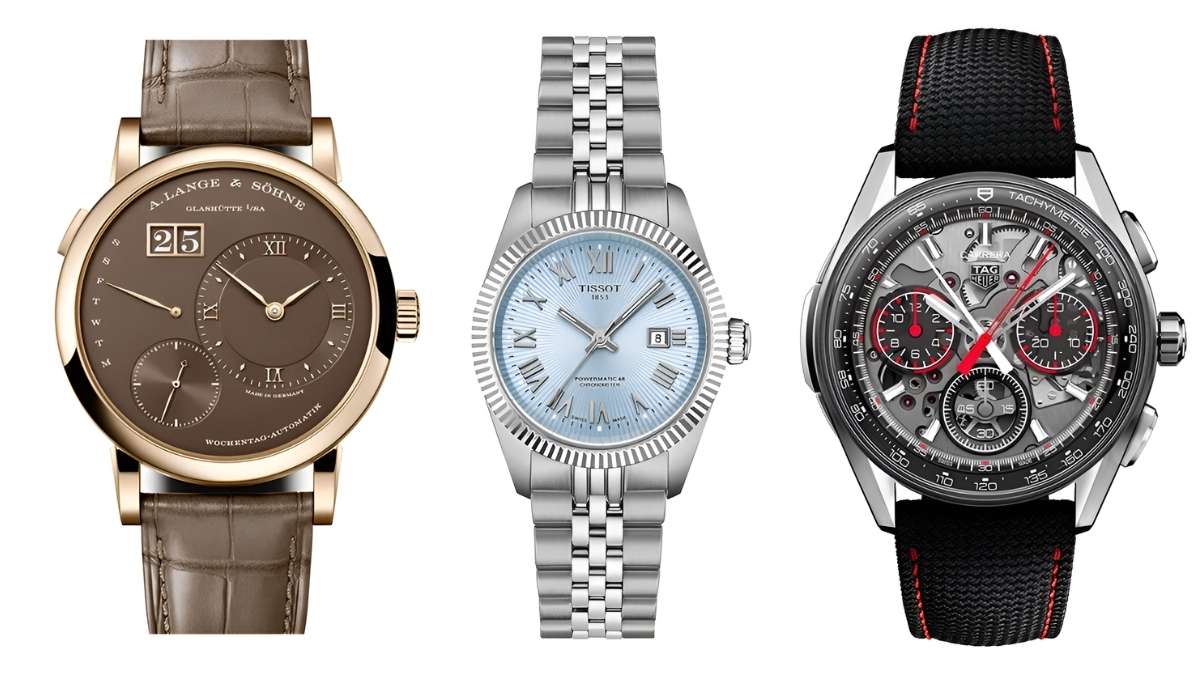
Watch Buying Guide: Buying a watch is more than just selecting a tool to tell time. It is about choosing a piece of craftsmanship, a symbol of style, and in many cases, an investment. With so many options available, understanding the differences between entry‑level, premium, and super luxury watches can help you make a decision that suits your lifestyle, budget, and personal taste.
Entry‑Level Watches
Entry‑level watches are often the starting point for new collectors or those who want a reliable timepiece without spending excessively.

- Price Range: Typically between 100 and 1,000 USD.
- Materials: Stainless steel cases, mineral or sapphire crystal, and basic leather or metal straps.
- Movements: Quartz movements are common, though some mechanical options exist.
- Brands: Seiko, Citizen, Tissot, and Hamilton are popular choices.
- Advantages: Affordable, durable, and widely available.
- Ideal For: Everyday wear, casual collectors, and those seeking functionality over prestige.
Premium Watches
Premium watches represent a step up in craftsmanship, design, and brand recognition.
- Price Range: Usually between 2,000 and 10,000 USD.
- Materials: Higher quality stainless steel, gold accents, ceramic bezels, and sapphire crystal.
- Movements: Mechanical and automatic movements with more refined finishing.
- Brands: Omega, TAG Heuer, Breitling, and IWC are well‑known in this category.
- Advantages: Superior build quality, enhanced accuracy, and stronger brand prestige.
- Ideal For: Professionals, enthusiasts, and those who want a balance between luxury and practicality.
Super Luxury Watches
Super luxury watches are the pinnacle of horology, combining artistry, exclusivity, and heritage.

- Price Range: Often starting at 20,000 USD and reaching into the hundreds of thousands.
- Materials: Precious metals like platinum and rose gold, diamonds, and exotic leather straps.
- Movements: Highly complex mechanical movements featuring complications such as tourbillons, perpetual calendars, and minute repeaters.
- Brands: Patek Philippe, Audemars Piguet, Vacheron Constantin, and Richard Mille.
- Advantages: Exceptional craftsmanship, exclusivity, and potential investment value.
- Ideal For: Collectors, investors, and those who view watches as works of art.
Factors to Consider When Choosing
- Budget: Determine how much you are willing to spend and stick to it.
- Purpose: Decide whether the watch is for daily wear, special occasions, or collection purposes.
- Style: Consider whether you prefer sporty, classic, or avant‑garde designs.
- Brand Heritage: Some buyers value the history and reputation of a brand.
- Resale Value: Premium and super luxury watches often retain or increase in value.
Real‑World Performance
Entry‑level watches excel in practicality and durability, making them perfect for everyday use. Premium watches offer enhanced performance and prestige, suitable for both professional and social settings. Super luxury watches, while often less practical for daily wear, deliver unmatched artistry and exclusivity, appealing to serious collectors.
Conclusion
Choosing between entry, premium, and super luxury watches depends on your personal priorities. Entry‑level watches provide affordability and reliability, premium watches balance craftsmanship with prestige, and super luxury watches represent the highest level of artistry and exclusivity. Whether you are starting your collection or seeking a statement piece, understanding these categories ensures that your next watch purchase aligns with your lifestyle and aspirations.