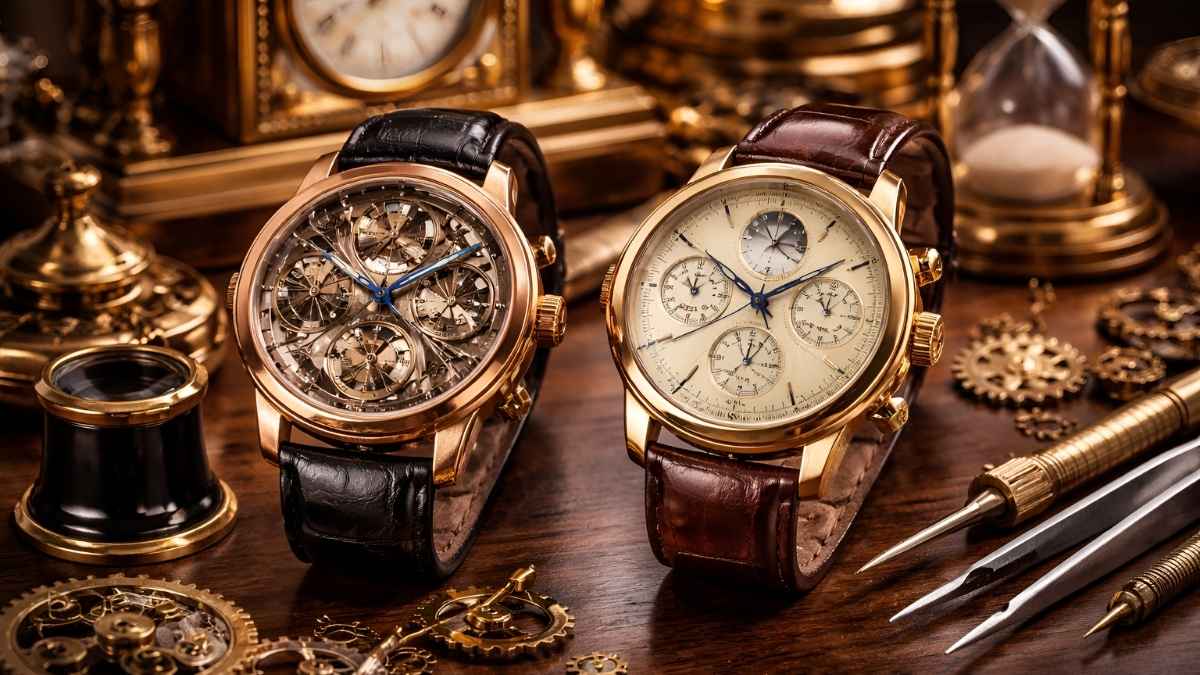
Horology Participation: Horology, the study and measurement of time, is far more than a technical discipline. It is an art form, a philosophy, and a reflection of humanity’s enduring fascination with the passage of moments. From ancient sundials to modern atomic clocks, horology has shaped civilizations, guided exploration, and inspired creativity. In 2026, horology continues to thrive as both a scientific pursuit and a cultural passion, attracting collectors, artisans, and thinkers who see timekeeping as a way to connect with history and the human experience.
The Origins of Horology
The earliest timekeeping devices were simple yet profound. Sundials, water clocks, and candle clocks allowed societies to organize daily life and rituals. These inventions were not only practical but also symbolic, representing humanity’s attempt to impose order on the natural flow of time. As mechanical innovations emerged in the Middle Ages, horology became a craft that blended engineering with artistry.
The Mechanical Revolution
The invention of the mechanical clock in Europe transformed horology into a discipline of precision. Gears, escapements, and pendulums allowed for increasingly accurate measurement of hours and minutes. Watchmakers became revered artisans, and their creations were treasured not only for utility but also for beauty. The mechanical revolution established horology as a cornerstone of science and culture.

Horology as Art
Timepieces are more than instruments. They are works of art that embody craftsmanship, design, and imagination. From ornate pocket watches to minimalist wristwatches, horology reflects aesthetic trends and cultural values. Collectors often view watches as wearable sculptures, appreciating the intricate engravings, delicate movements, and innovative designs that make each piece unique.
Horology as Philosophy
Beyond mechanics and aesthetics, horology invites reflection on the nature of time itself. Philosophers and poets have long pondered whether time is linear, cyclical, or an illusion. A watch or clock becomes a metaphor for human existence, reminding us of mortality, continuity, and the fleeting nature of moments. To participate in horology is to engage with these questions, using timekeeping as a lens to explore deeper truths.
Modern Innovations
In the twenty-first century, horology embraces both tradition and innovation. Smartwatches integrate digital technology with health monitoring and connectivity, while luxury watchmakers continue to produce mechanical masterpieces. Atomic clocks, capable of measuring time with extraordinary precision, serve scientific research and global navigation. This coexistence of old and new demonstrates the adaptability and relevance of horology in modern life.
Collecting and Participation
Collectors play a vital role in preserving horological heritage. By acquiring, studying, and maintaining rare timepieces, they ensure that the artistry and history of horology remain alive. Participation in horology can take many forms:
- Restoring antique clocks and watches.
- Exploring the philosophy of time through literature and discussion.
- Supporting contemporary watchmakers who innovate while honoring tradition.
- Engaging with horological societies and museums to share knowledge and passion.
Cultural Significance
Horology is woven into the fabric of culture. National observatories, maritime navigation, and even religious practices have relied on precise timekeeping. Watches and clocks often symbolize milestones, such as graduations, retirements, or achievements. They serve as heirlooms, passed down through generations, carrying stories and memories along with their ticking hands.
The Future of Horology
Looking ahead, horology will continue to evolve. Advances in quantum mechanics and nanotechnology may redefine precision, while artisans will keep pushing the boundaries of design. Yet the essence of horology will remain unchanged: a human endeavor to understand, measure, and appreciate the passage of time.

Conclusion
Horology participation is not limited to owning a watch or studying mechanics. It is an engagement with history, art, and philosophy. To understand horology is to recognize that timekeeping is both a practical necessity and a profound cultural expression. In 2026, horology stands as a testament to humanity’s enduring quest to capture the intangible flow of time, reminding us that every tick and tock is a reflection of our place in the universe.